
by Rebekah Munoz
Know Your Rights
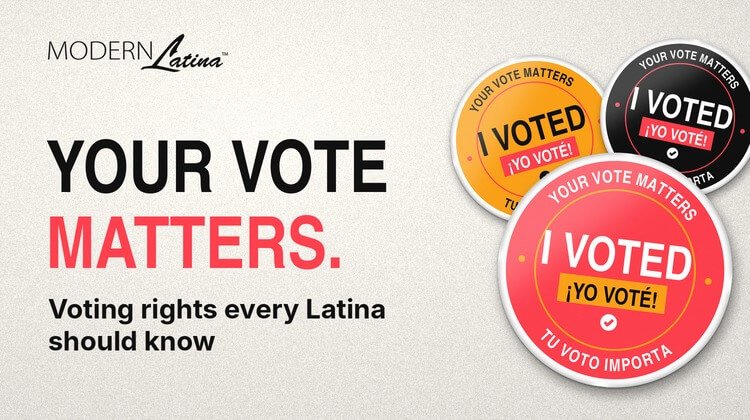
Voting is one of the most important ways we shape the future of our families and communities. In Monterey County, every eligible voter has the right to participate safely, privately, and without intimidation.
For the November 3, 2026 General Election:
- All active registered voters will receive a ballot by mail.
- October 19 is the regular voter-registration deadline.
- If you miss the deadline, you may still register and vote through Conditional Voter Registration from October 20 through Election Day.
- Ballots may be returned by mail, at an official ballot drop box, or at any in-person voting location in California.
- Mailed ballots must be postmarked by November 3 and received by November 10.
- Ballots returned in person must be received by 8:00 p.m. on November 3. County of Monterey, CA
You have the right to:
- Vote if you are a U.S. citizen, a California resident, at least 18 years old, registered where you live, and legally eligible.
- Cast a provisional ballot if your name is not on the voter list.
- Stay in line and vote if you are still waiting when the polls close.
- Receive a replacement ballot if you make a mistake.
- Get help marking your ballot from a person you choose, with limited exceptions.
- Receive election materials and assistance in another language when available.
- Ask election officials questions and report suspected election misconduct. sos.ca.gov
In most cases, California voters do not need to show identification before voting. If you are voting for the first time after registering by mail or online and did not provide identifying information on your registration, you may be asked for identification. montereycountyelections.us
Check your registration, find voting locations, and get official election information at Monterey County Elections. You can also contact the Elections Department at 831-796-1499 or visit 1441 Schilling Place, North Building, Salinas, CA 93901.
What to Do If Your Rights Are Violated
California Has Strengthened Voting Protections
California strengthened its voting-rights laws in 2026 by expanding protections against voter suppression and discrimination. The new laws provide stronger protections against election practices that unfairly reduce certain communities’ voting power, expand language assistance and translated election materials, and make it easier for voters to challenge discriminatory practices. Some local governments with histories of voting discrimination may also need approval before changing certain election rules. Campaign Legal Center
If you believe your voting rights are being denied, speak with an election official at the voting location and explain the problem. California voters have the right to ask election officials questions about voting procedures, and if you believe you have been denied one of your voting rights, you can report the issue to the California Secretary of State.
You can call the California Secretary of State’s confidential Voter Hotline at 800-345-VOTE (8683). Spanish-speaking voters can call 800-232-VOTA (8682). Voters who believe they experienced election fraud or another violation of California election law can also submit an Election Voter Complaint Form to the Secretary of State.
If the situation involves violence, threats of violence, or intimidation at a polling place, the U.S. Department of Justice advises contacting local law enforcement by calling 911 first, then reporting the incident to the Justice Department. Federal voting-rights complaints, including discrimination or accessibility problems, can also be reported to the Civil Rights Division.
Article Description: Key dates, ballot return options, and the voting rights every Latina should know before the November 3 election — plus who to call if your rights are denied.
Rebekah Munoz | Modern Latina Contributor
Rebekah Munoz is a first-generation college student and aspiring legal professional who believes that where someone comes from should never determine how far they can go. She is completing her Bachelor of Arts in Sociology at California State University, Monterey Bay, and holds an Associate of Arts in Criminal Justice from Monterey Peninsula College. Growing up understanding the challenges underserved communities face, Rebekah developed a passion for social justice, education, and advocacy. Her academic journey has strengthened her interest in examining social inequalities, challenging systemic barriers, and understanding how public policies shape everyday lives. As a contributor to Modern Latina, Rebekah hopes to bring a thoughtful, research-driven perspective to conversations affecting younger generations and Latino communities. With plans to pursue law school, she is committed to using her education and experiences to amplify underrepresented voices, expand opportunities, and inspire others to recognize the power of their own stories.


0 Comments